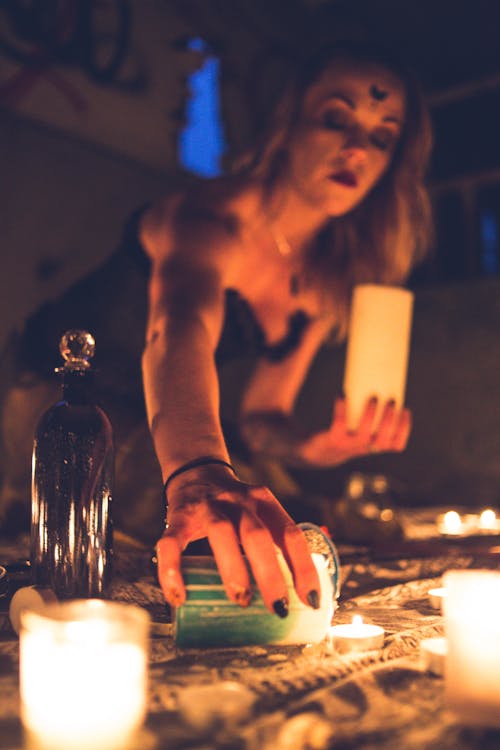
Learn step-by-step how to perform a meaningful ancestor veneration ceremony that strengthens your ancestral connection and invites blessings.
Ancestor veneration is the cornerstone of African spiritual life. While it is often misunderstood by outsiders as "worshipping the dead," the practice is more accurately described as maintaining relationship with the beloved dead — acknowledging their continued existence in another realm, expressing gratitude for the blessings they passed down, seeking their guidance and protection, and fulfilling the reciprocal obligations that keep the connection between the living and the dead strong and beneficial.
Why Ancestor Veneration Matters
Your ancestors are your most invested spiritual allies. Unlike spirit guides from other traditions, your ancestors have a personal stake in your wellbeing — your success honours them, your suffering concerns them, your children continue their lineage. They have access to the spirit world's resources that you do not, and they are willing to use that access on your behalf — if you maintain the relationship and ask appropriately.
Neglecting your ancestors does not make them go away. It simply means you are walking without the protection and guidance they could offer, and in some traditions, it creates a spiritual debt that can manifest as misfortune, illness, or relationship difficulties until the relationship is restored.
Preparing for the Ceremony
Before the ceremony, prepare your space. Clean the area thoroughly — physical cleanliness reflects and creates spiritual cleanliness. Identify the ancestors you wish to specifically acknowledge: your parents and grandparents by name are the starting point, working back through as many generations as you can recall.
Gather your materials: white candles (one for each ancestor you are specifically calling, plus one general candle for all the ancestors you do not know by name), a white cloth for the altar surface, a glass of fresh water, small portions of food and drink that your ancestors enjoyed in life, any photographs or objects belonging to them, and incense or imphepho to open the spirit connection.
Setting Up the Ancestor Altar
Place the white cloth on a flat surface — a table or a dedicated shelf works well. Arrange the photographs and personal objects of your ancestors. Place the glass of fresh water in the centre (water is the universal spiritual medium and creates a clear channel for communication). Set out the food offerings — simple things are fine: fruit, bread, cooked food, coffee, beer, or whatever you know your specific ancestors preferred.
Light the incense first, as this signals the opening of the ceremony and invites the ancestors into the space. Then light the candles — starting with the general candle for unknown ancestors, then individual candles for specific relatives. As you light each candle, speak the person's name and a word of greeting.
The Verbal Heart of the Ceremony
Ancestor veneration is fundamentally a conversation. Speak aloud. Begin with greetings: "Good evening, [name]. I welcome you into this space." Then move to gratitude — specifically naming things you have received from this person or lineage that you are grateful for. A grandmother who raised you. A grandfather who built the family home. A tradition of strength or creativity that has served you. Make it personal and specific.
Next, share what is happening in your life — the challenges you are facing, the hopes you are holding, the situations where you need guidance. Speak as honestly as you would to a trusted elder. Then listen. Sit in silence for a few minutes and pay attention to what arises: images, thoughts, feelings, a sudden sense of knowing. These impressions are the ancestors' response.
Close with a formal request: "Grandmothers and grandfathers, known and unknown, I ask for your continued protection, guidance, and blessing. Walk with me. Open the doors that should open. Close the doors that would harm me. Thank you for your love."
After the Ceremony
Leave the offerings on the altar for at least three days before removing them respectfully. The water should be changed every three days if the altar remains active. The candles can be allowed to burn down completely in a safe manner. Food offerings should be taken outdoors and left for the earth when you are ready to remove them — not thrown in a household bin.
Pay close attention to your dreams in the nights following the ceremony. Ancestor communication through dreams is common and often direct in the days after a formal ceremony when the channel has been intentionally opened. Keep a journal beside your bed and write down everything you remember immediately upon waking.
Making Ancestor Veneration a Regular Practice
The most powerful results from ancestor veneration come from making it a consistent, ongoing practice rather than an occasional event. Monthly ceremonies aligned with the new moon, combined with brief daily acknowledgements (a word of greeting when you pass the altar, a moment of gratitude before meals), create a relationship rather than a transaction. And it is the relationship — the genuine ongoing connection — that unlocks the ancestors' full capacity to help you.
Ready to Transform Your Life?
Prof Mama Jafali has helped thousands of people across the world with powerful spiritual solutions. Whether you need guidance, healing, or a specific spell, she is ready to help you.
Contact Prof Mama Jafali today:
- Chat with us live using the chat button on this page
- WhatsApp: +27 73 135 6845