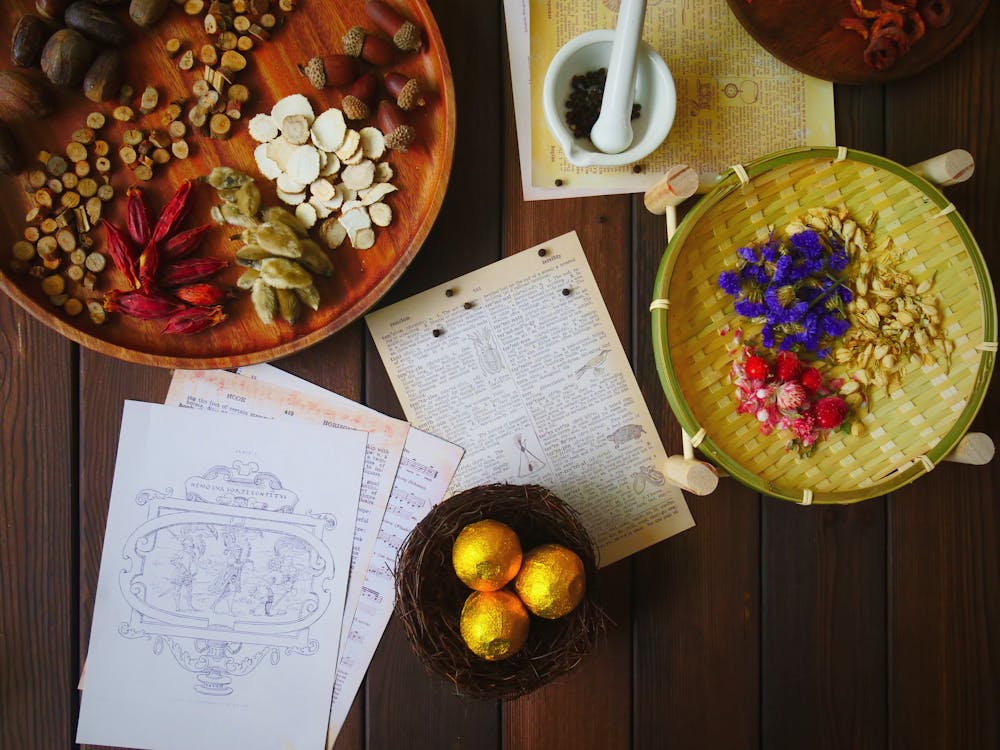
Roots and bark are the pharmacopoeia of African healing traditions. Discover how these powerful natural materials are used in spiritual and physical healing.
Long before modern pharmaceutical science, African healers — known by various names across the continent: sangoma, inyanga, babalawo, ngangas, dibia — maintained sophisticated knowledge systems of plant medicine that addressed the full spectrum of human health needs. At the heart of these traditions were roots and bark: the most powerful, concentrated parts of medicinal plants, where the plant's healing energy is stored in its most potent form.
This knowledge did not disappear with colonization. It was preserved, passed down through oral tradition and apprenticeship, and continues to form the backbone of African spiritual healing practice today. Prof Mama Jafali draws on a deep knowledge of root and bark medicine in her healing work, integrating these natural allies with prayer, ritual, and spiritual intention for maximum effectiveness.
The Spiritual Understanding of Roots
In African healing philosophy, roots carry a special significance because they represent that which is hidden but foundational. Just as the roots of a tree provide invisible support for all visible growth above ground, root medicine works at the level of causes rather than symptoms. Healing roots do not merely treat surface conditions — they address the root causes of illness, whether physical, emotional, or spiritual.
Bark is similarly understood as protective and structural — the outer shield of the plant that protects its living core. Bark medicines are often used in protective work: creating spiritual shields, strengthening boundaries, and defending against both physical and spiritual attack.
Commonly Used Healing Roots
Valerian root is among the most universally recognized healing roots, prized in both African and European herbal traditions for its remarkable ability to calm the nervous system, promote sleep, and ease anxiety. In spiritual work, it is used in sleep protection rituals and to calm psychic disturbances.
Ashwagandha root — originally from South Asia but deeply integrated into many African herbalist traditions through historical trade routes — is used for building strength and resilience, both physical and spiritual. It is prescribed for those who have been spiritually depleted through attack, grief, or chronic illness.
Devil's claw root, native to southern Africa, is one of the continent's most powerful medicinal plants, used for pain relief, inflammation, and as a general tonic for physical vitality. In spiritual practice, it is used in protection and strength work.
Galangal root (known as "Low John the Conqueror" in African-American hoodoo tradition) is one of the most powerful roots in African diasporic spiritual practice, used for legal matters, justice work, overcoming obstacles, and commanding respect.
Bark in African Healing
African cherry bark (pygeum) has been used for centuries in Central and East African traditional medicine for men's health and vitality. In spiritual terms, it is associated with masculine power, fertility, and ancestral connection for male lineages.
Yohimbe bark, from West Africa, is another powerful bark medicine used in traditional healing for male vitality and as a general energizer. It must be used with great care and under the guidance of an experienced healer, as its power demands respect.
Cinnamon bark — while more commonly known as a kitchen spice — is a powerful spiritual ingredient used in money-drawing, love attraction, and success spells across African and diaspora traditions. Its warming, stimulating properties are understood to "heat up" intentions and accelerate manifestation.
How Roots Are Prepared
Roots and bark are prepared in several ways depending on their intended use. Decoctions — made by simmering roots or bark in water for an extended period — extract the full range of medicinal compounds and are used for drinking, bathing, or floor washing. Tinctures preserve the plant's properties in alcohol for longer-term use. Dried and powdered roots are used directly in spell work — sprinkled on candles, added to mojos and sachets, or dusted on objects. Some roots are used whole, carried as protective talismans.
The Importance of Proper Knowledge
Root and bark medicine requires proper training and knowledge. Some powerful healing plants are toxic in incorrect doses or combinations. Prof Mama Jafali does not recommend self-prescribing with potent roots without guidance. However, commonly available kitchen herbs — cinnamon, ginger, turmeric — can be used safely in simple spiritual practices by beginners.
For more complex root work, particularly for healing chronic conditions, breaking curses, or performing targeted spiritual interventions, working with a trained healer ensures that the right plant allies are selected, prepared properly, and combined with the appropriate prayers and rituals for maximum effect.
Ready to Transform Your Life?
Prof Mama Jafali has helped thousands of people across the world with powerful spiritual solutions. Whether you need guidance, healing, or a specific spell, she is ready to help you.
Contact Prof Mama Jafali today:
- Chat with us live using the chat button on this page
- WhatsApp: +27 73 135 6845