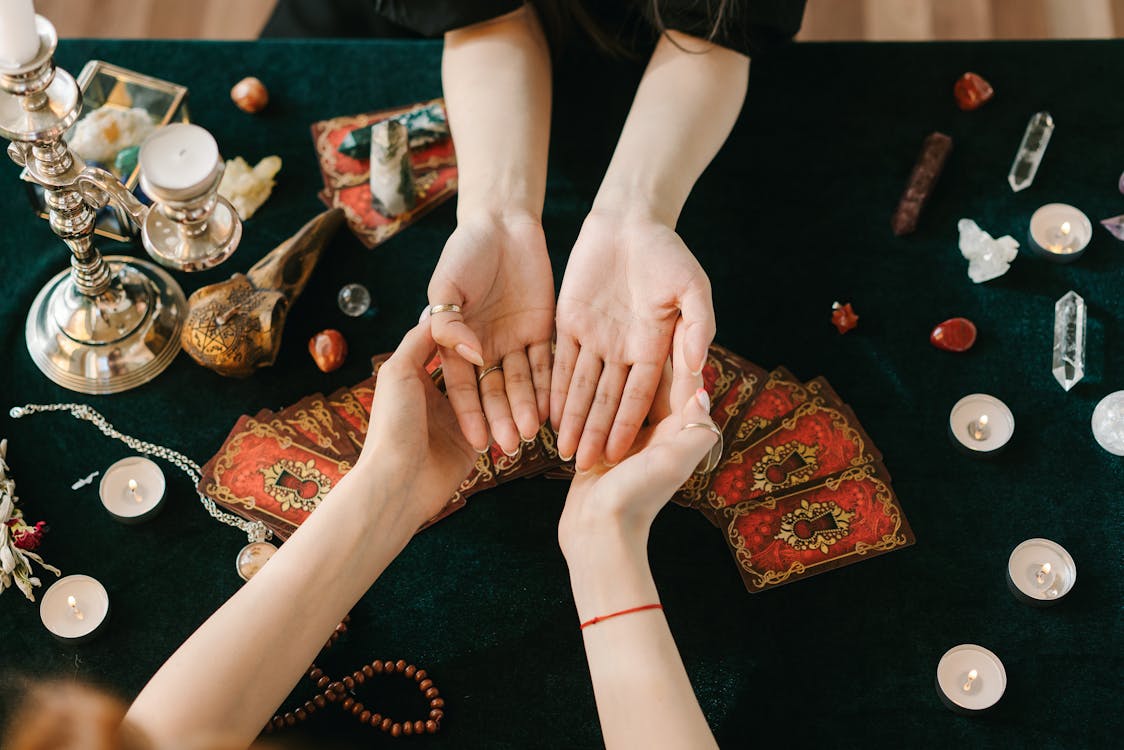
Forgiveness rituals transform resentment into peace. Discover ancient African ceremonies and personal rituals that facilitate deep forgiveness and emotional liberation.
We have all been hurt. In a lifetime of relationships — with family, partners, friends, colleagues — injury is inevitable. What is not inevitable is what we do with that injury afterward. Carrying wounds unhealed is one of the heaviest and most health-destroying choices a person can make, even when the wound was not their fault. Forgiveness rituals provide a structured, spiritually supported pathway through hurt toward genuine healing and liberation.
Why Ritual Works Better Than Pure Will
Many people understand intellectually that they should forgive, and yet find that simply deciding to forgive does not actually produce the feeling of forgiveness. This is because forgiveness is not primarily a cognitive act — it is an emotional, embodied, and spiritual one. The intellect can decide; it is the heart and the spirit that must follow. This is precisely where ritual excels: it engages the whole person — body, emotion, and spirit — in the work of transformation, producing changes that thought alone cannot accomplish.
In African spiritual tradition, ritual is understood as the technology through which spiritual realities are made actual in the physical world. A forgiveness ritual does not just represent forgiveness — it creates forgiveness, in the same way that a wedding ceremony does not merely represent marriage but actually constitutes it.
The River Ritual for Releasing Grievance
Water, in African spiritual tradition, is one of the primary elements of purification and release. The river in particular — always moving, always flowing, carrying away what it receives — is a powerful location for forgiveness rituals. To perform a river forgiveness ritual, write the name of the person you are forgiving and a brief description of what you are forgiving them for on a piece of paper. Take this paper to a river, stream, or any natural body of flowing water.
Stand at the water's edge. Hold the paper and speak your forgiveness aloud: "I forgive [name] for [what they did]. I release this grievance to the water. I reclaim my energy, my peace, and my joy. This is no longer mine to carry." Then release the paper into the water and watch it float away. Feel the release in your body as you watch the current carry your grievance away from you. Many people experience genuine emotional relief in the moment of release — sometimes tears, sometimes a profound physical sense of lightness.
The Ancestral Forgiveness Ceremony
Sometimes the hurts we need to forgive are not just personal — they are inherited. Wounds carried by parents, grandparents, and more distant ancestors can be passed down through family lines, creating patterns of pain, distrust, and relationship difficulty that play out generation after generation. Ancestral forgiveness ceremonies address these inherited wounds at their root.
In this ritual, you speak forgiveness on behalf of your entire family line — forgiving those who hurt your ancestors, releasing grievances held by your ancestors against others, and asking your ancestors to release any resentment or pain that may be affecting living family members through the ancestral connection. This is profound and often deeply emotional work. Many people feel the presence of their ancestors during these ceremonies in unmistakable ways — as warmth, as a sense of presence, or as a sudden emotional release that seems to come from beyond the self.
Self-Forgiveness Rituals
Forgiving yourself for your own mistakes, failures, and choices requires its own ritual work. A powerful self-forgiveness ritual involves standing before a mirror, looking yourself in the eyes, and speaking your forgiveness aloud. This is harder than it sounds for most people — the discomfort of meeting your own gaze while speaking forgiveness reveals exactly how much self-judgment and self-condemnation you have been carrying.
Speak specifically: name what you are forgiving yourself for, why it deserves forgiveness (because you were doing the best you could with what you knew, because you were in pain, because you were young, because you have grown since then), and your commitment to treating yourself with more compassion going forward. Do this ritual as many times as needed — self-forgiveness, like other forgiveness, is often a process rather than a single event.
After the Ritual: Living the Forgiveness
A forgiveness ritual creates a spiritual reality, but that reality must then be reinforced through daily choices. When the memory of the grievance arises — and it will — you have a choice: to re-engage with the hurt, or to remind yourself, "I have released this. It no longer owns me." Each time you make the second choice, you deepen the reality of the forgiveness. Over time, the memory loses its emotional charge until it becomes simply something that happened — a part of your story but no longer a wound.
Ready to Transform Your Life?
Prof Mama Jafali has helped thousands of people across the world with powerful spiritual solutions. Whether you need guidance, healing, or a specific spell, she is ready to help you.
Contact Prof Mama Jafali today:
- Chat with us live using the chat button on this page
- WhatsApp: +27 73 135 6845