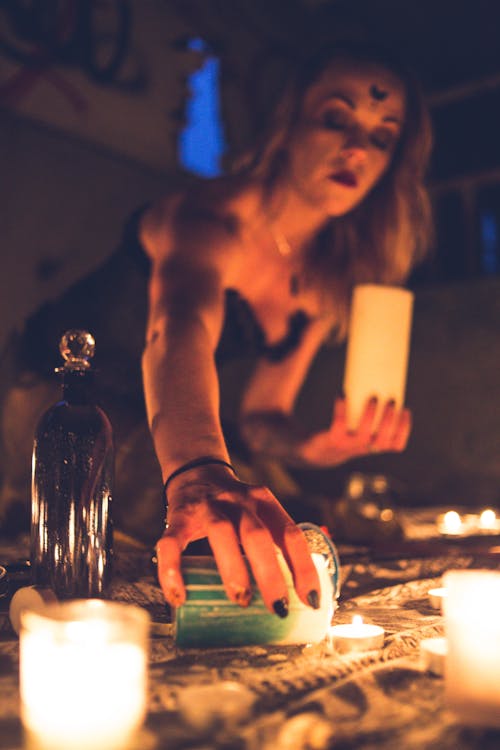
An ancestor altar is a sacred space that connects the living to their forebears. Learn how to build and maintain one to invite ancestral blessings and protection.
In virtually every African spiritual tradition, the ancestors are not distant historical figures but living presences who remain intimately connected to their descendants. They observe, they guide, they protect, and when properly honored, they actively intervene in the lives of the living to bring blessings, remove obstacles, and heal wounds that span generations.
The ancestor altar — a dedicated sacred space within the home — serves as the physical portal through which this communication and exchange occurs. Creating and maintaining an ancestor altar is one of the most powerful spiritual practices available to anyone of African heritage or to anyone drawn to African spiritual wisdom.
What an Ancestor Altar Is (and Is Not)
An ancestor altar is a sacred space — it can be as simple as a shelf, a small table, or a corner of a room — dedicated to honoring the spirits of those who have passed before you. It is not a morbid fixation on death, nor is it a request for ghosts to inhabit your home. It is a communication device, a spiritual telephone through which you maintain relationship with those who love you most and who have completed their earthly journey.
In African tradition, the boundary between the living and the dead is understood as permeable and dynamic, not a permanent wall. Those who have crossed over retain their interest in family affairs and their capacity to influence events on behalf of those they love.
Setting Up Your Ancestor Altar
The altar should be placed in a quiet, respectful area of the home — not in a bathroom or kitchen, and not where it will be disturbed by heavy foot traffic. East-facing placement is traditional in many African systems, as the east represents the direction of the rising sun and new beginnings.
Essential elements include: photographs or names of deceased family members written on paper, a glass of fresh water changed daily (water sustains and refreshes the spirits), a white candle lit during communication and on significant occasions, a small bowl for food offerings (a portion of your meal shared with the ancestors), and any personal objects that belonged to or remind you of specific ancestors.
If you do not know the names or faces of your ancestors — a painful reality for many people of the African diaspora whose family histories were fractured by slavery — you can create a generic ancestral altar in honor of all who came before you. The intention is what matters most.
How to Communicate with Your Ancestors
Daily altar tending is the foundation of ancestral relationship. Each morning, briefly acknowledge the altar — change the water, light the candle if time allows, and speak a word of greeting. This consistency builds the relationship and keeps the channel of communication open.
For specific requests or deeper communication, a more formal approach is appropriate. Sit quietly before the altar, light the candle, and begin by expressing gratitude for the blessings in your life. Then speak your situation honestly, as you would to a trusted family elder. Ask for specific guidance or assistance. Sit in silence afterward and be receptive to what comes — thoughts, images, emotions, or physical sensations that arise in the quiet are often ancestral communication.
Do not demand or command. Approach with respect and humility, as you would approach an elder who has wisdom and authority you do not yet possess.
Offerings and Their Significance
Offerings are gifts given to the ancestors in exchange for their assistance and as expressions of ongoing relationship. Common offerings include food and drink the ancestor enjoyed in life, fresh flowers (particularly white ones, associated with the spirit world), candles, incense, tobacco (for ancestors who smoked), and rum or other spirits in appropriate traditions.
The energy of the offering is absorbed by the ancestor's spirit — the physical substance remains but becomes energetically empty after the offering period. Food offerings should be removed from the altar and disposed of respectfully (not thrown in a trash can in anger — place them at the base of a tree or in running water when possible) after twenty-four to forty-eight hours.
Common Mistakes in Ancestor Work
The most common mistake in ancestor work is inconsistency — tending the altar only in times of crisis and neglecting it during periods of ease. This is the spiritual equivalent of calling a family member only when you need something. Build the relationship continuously, and the support will be there when you need it most.
Another common mistake is placing photographs of living people on the ancestor altar. Only those who have passed should be included. Placing a living person's photograph on the ancestor altar is spiritually dangerous, as it can inadvertently invite the kind of spiritual treatment appropriate for the deceased.
Working with a Healer for Ancestor Connection
For those who feel disconnected from their ancestors, who have experienced difficult ancestral relationships in life, or who sense that an ancestral issue needs resolution, working with Prof Mama Jafali provides skilled mediation and healing. She can identify which ancestors most need honoring, which ancestral wounds need attention, and how to approach particularly complex ancestral relationships with wisdom and care.
Ready to Transform Your Life?
Prof Mama Jafali has helped thousands of people across the world with powerful spiritual solutions. Whether you need guidance, healing, or a specific spell, she is ready to help you.
Contact Prof Mama Jafali today:
- Chat with us live using the chat button on this page
- WhatsApp: +27 73 135 6845