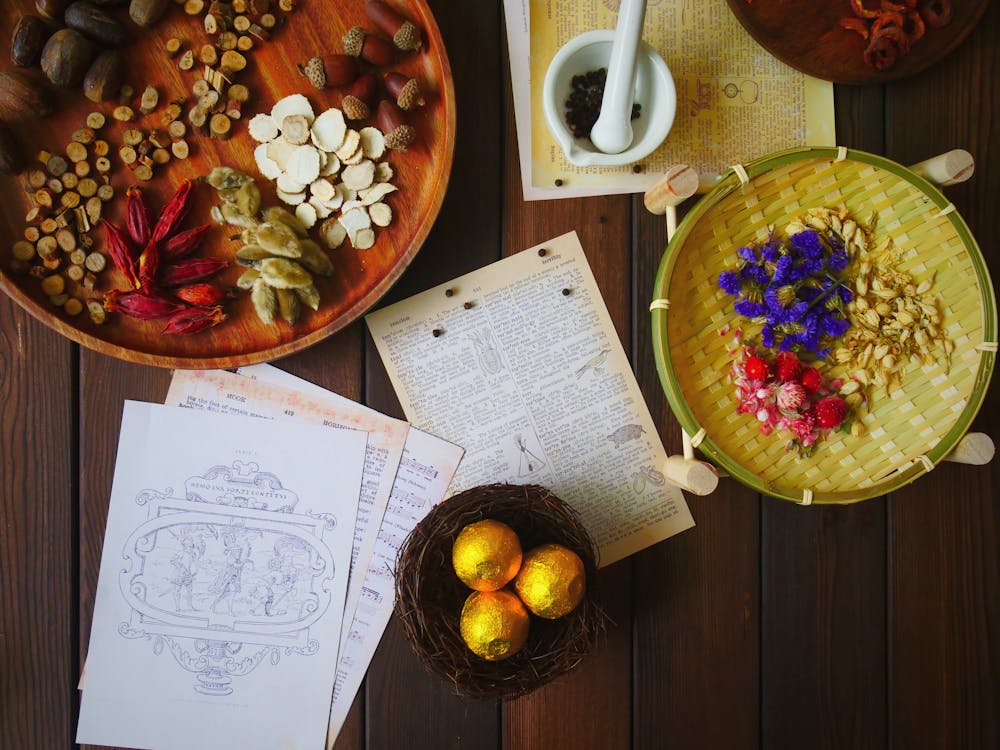
Explore time-tested African herbal remedies passed down through generations for treating everyday ailments naturally and holistically.
Long before pharmaceutical companies existed, African healers maintained intricate knowledge of the natural world. Plants, minerals, animal products, and spiritual practices were combined into sophisticated healing systems that addressed not just the physical body, but the emotional and spiritual dimensions of illness. This knowledge, refined over thousands of years, remains profoundly relevant today.
The Holistic Philosophy Behind African Healing
Traditional African medicine operates on a principle that Western medicine is only recently beginning to validate: the body, mind, and spirit are inseparable. When a person falls ill, the traditional healer asks not just "what is the symptom?" but "what is the root cause in this person's life, relationships, and spiritual standing?" Treatment addresses all three levels simultaneously.
Prof Mama Jafali trained under senior healers from East and Southern Africa, absorbing this multi-dimensional approach. Her practice integrates herbal knowledge with spiritual diagnosis, ensuring that both the visible and invisible roots of illness are addressed.
Fever and Infection
Fever is one of the most common reasons people seek both traditional and modern medical care. African herbalists have long used the bark of the neem tree (Azadirachta indica), known across East Africa as mwarobaini — meaning "forty diseases" in Swahili — to reduce fever and fight bacterial infections. A decoction of neem bark or leaves, taken as a tea, has antipyretic and antimicrobial properties that modern research has confirmed.
Moringa leaves, another East African staple, are exceptionally rich in vitamin C, iron, and antioxidants. Regular use boosts the immune system, helping the body resist infection before it takes hold. Moringa tea or powder added to food is a simple, accessible daily remedy.
Digestive Complaints
For stomach pain, bloating, diarrhoea, and indigestion, African healers reach first for ginger, which grows abundantly across the continent. Fresh ginger root boiled into tea settles nausea, reduces inflammation in the gut lining, and stimulates digestive enzymes. Combined with a small amount of honey and lemon, it becomes both medicine and a pleasant drink.
Baobab fruit pulp has been used for centuries to treat diarrhoea. Its high pectin content helps regulate the digestive tract. The fruit is high in vitamin C and contains prebiotic fibres that nourish beneficial gut bacteria — a concept that aligns precisely with modern probiotic science.
Respiratory Issues
Eucalyptus, native to Australia but naturalised across Africa, is a staple remedy for coughs, congestion, and bronchitis. Steam inhalation using eucalyptus leaves clears the airways powerfully. The active compound eucalyptol has demonstrated antiviral and antibacterial properties in clinical studies.
For chronic respiratory weakness, the root of the African potato (Hypoxis hemerocallidea) has traditionally been used to strengthen the body's defences. It must be used carefully and in appropriate doses, which is why consultation with an experienced healer is always recommended before beginning any herbal protocol.
Skin Conditions
Shea butter, harvested from the shea tree of West and Central Africa, is the continent's foremost skin remedy. It soothes eczema, psoriasis, burns, and dry skin through its concentration of fatty acids and vitamins A and E. Aloe vera, likewise abundant across the continent, provides immediate cooling relief for burns and helps heal wounds without scarring.
For fungal infections, tea made from wild garlic or the application of raw coconut oil — both well-documented antifungals — forms part of the traditional arsenal. Prof Mama Jafali also uses specific herbal baths incorporating these plants, combined with spiritual cleansing to ensure that skin conditions with energetic components (such as those caused by spiritual attack) are fully addressed.
Pain and Inflammation
Devil's claw (Harpagophytum procumbens), native to Southern Africa, is one of the continent's most potent anti-inflammatory plants. Used for arthritis, back pain, and muscle aches, it has been adopted by European herbalists and subjected to dozens of clinical trials confirming its effectiveness for pain relief comparable, in some studies, to pharmaceutical NSAIDs — without the stomach-damaging side effects.
Turmeric, widely used across East Africa through Indian Ocean trade connections, combines curcumin — a powerful anti-inflammatory compound — with black pepper for enhanced absorption. A daily golden milk preparation using turmeric, ginger, black pepper, and warm milk is one of the most evidence-supported daily wellness habits a person can adopt.
The Importance of Spiritual Assessment
Traditional African medicine recognises that some physical ailments have spiritual origins — curses, jealousy (the evil eye), broken ancestral relations, or unresolved trauma that has lodged in the body. In these cases, herbs alone will provide only temporary relief. A thorough spiritual assessment is needed to identify and address the root cause.
This is the true strength of the traditional healer: the capacity to see the whole person across all dimensions and prescribe a treatment that heals at every level. If you have tried conventional treatments for a chronic or recurring condition without success, it may be time to explore whether a spiritual component is involved.
Ready to Transform Your Life?
Prof Mama Jafali has helped thousands of people across the world with powerful spiritual solutions. Whether you need guidance, healing, or a specific spell, she is ready to help you.
Contact Prof Mama Jafali today:
- Chat with us live using the chat button on this page
- WhatsApp: +27 73 135 6845